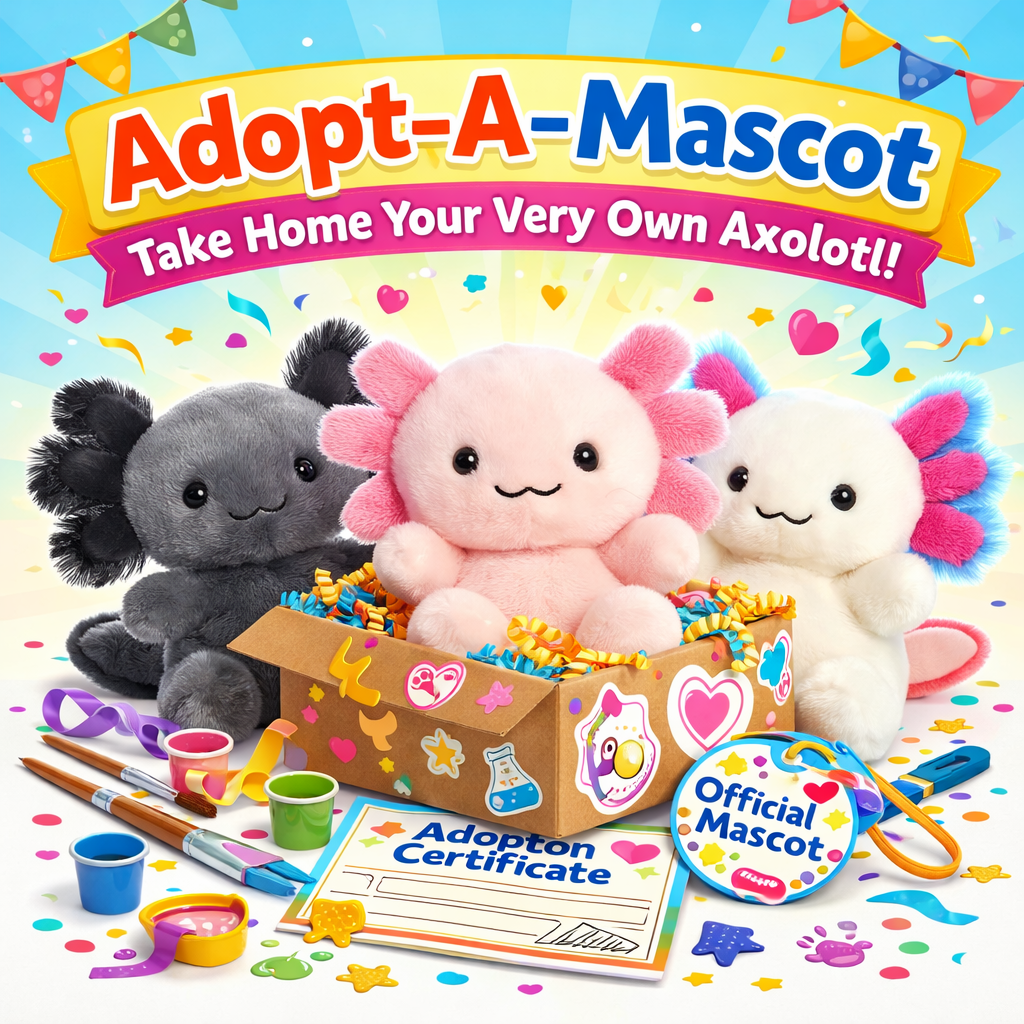
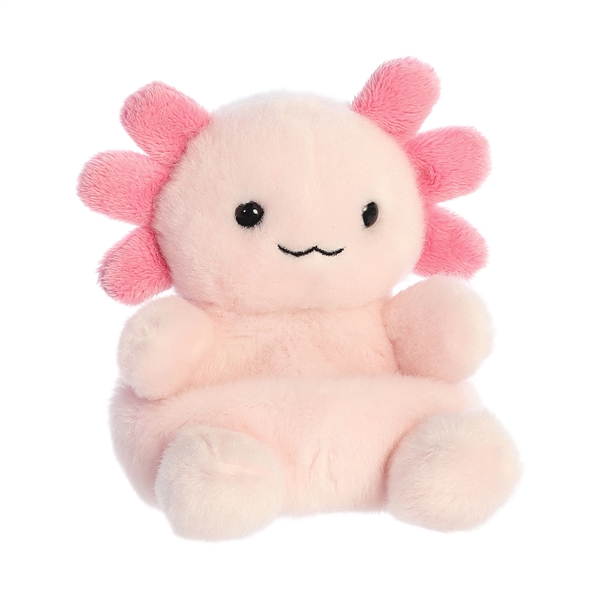
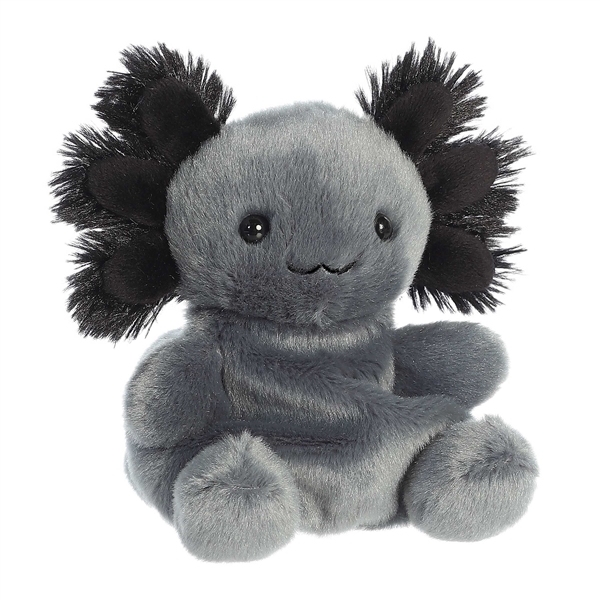
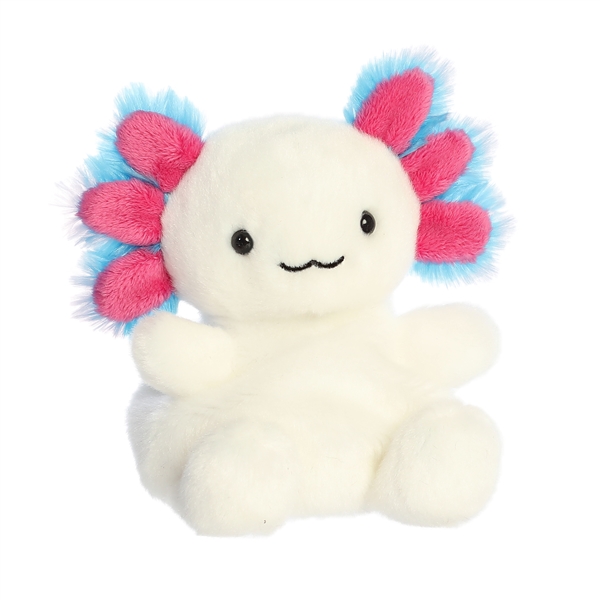
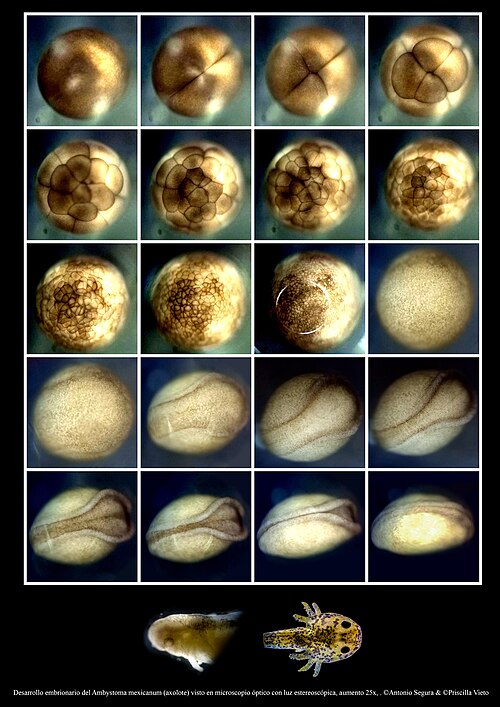
This year’s STEAMfest mascot is the axolotl — a real amphibian with a big smile, feathery gills, and some seriously cool science behind it.
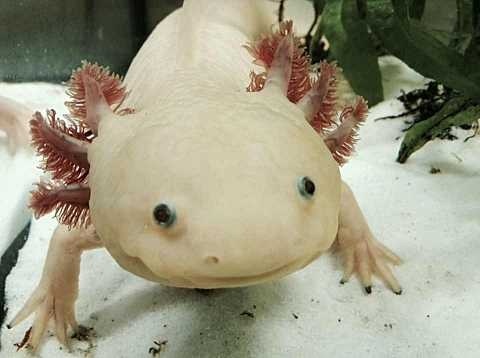
Axolotls are salamanders that live fully underwater and are famous for their feathery external gills and their “cute smile” look. They’re sometimes called the Mexican walking fish (even though they’re not fish!).
Our 2026 axolotl mascot is a 5-inch plush with a weighted bottom and eco-friendly filling, recommended for ages 3+—and each adoption includes the plush plus an Adoption Certificate with fun axolotl facts and STEAM activity ideas.
1. What Is an Axolotl? An axolotl is a type of salamander (an amphibian). It lives fully underwater its whole life. Known for its cute smile and feathery gills. Sometimes called the “Mexican walking fish” (but it is not a fish!)
2. Where Do Axolotls Come From? Axolotls are native to Mexico. In the wild, they live only in Lake Xochimilco, near Mexico City. Wild axolotls are now very rare due to pollution and habitat loss.
3. What Does An Axolotls’ Home or Habitat Look Like? Axolotls live in freshwater lakes, canals, and wetlands. The water is usually cool and slow-moving. There are lots of plants and hiding spots for shelter and food. Lake Xochimilco has floating vegetation and canals that make perfect homes for them.
4. How Do Axolotls Breathe Under Water? Axolotls have feathery external gills on the sides of their head They can also absorb oxygen through their skin Some use tiny lungs for breathing air at the surface
5. How Big Are Axolotls? Axolotls are usually 9-12 inches long (about the length of a ruler). Some can grow even bigger – up to 18 inches They usually weigh 2-10 ounces (about as much as a small apple)
6. What Do Axolotls Eat? Axolotls are carnivorous. They eat worms, insects, small fish, and tiny aquatic animals. They swallow food whole, using suction rather than chewing.
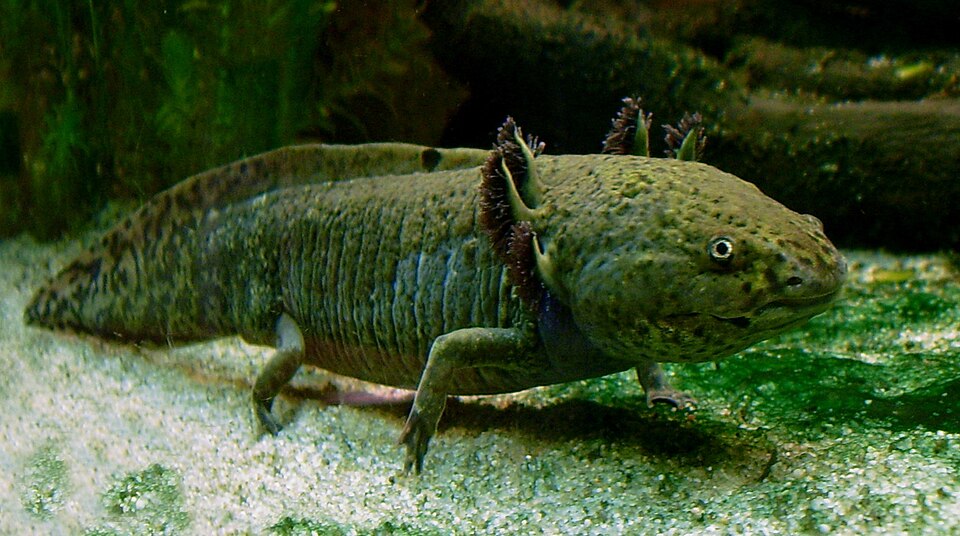
7. What Do Axolotls Look And Feel Like? Wild axolotls are usually brown, tan, or black and often have green or golden speckles to help them blend into their environment. Skin is slimy and soft, which helps them absorb oxygen from water. Have tiny toes and long tails that help them swim gracefully.
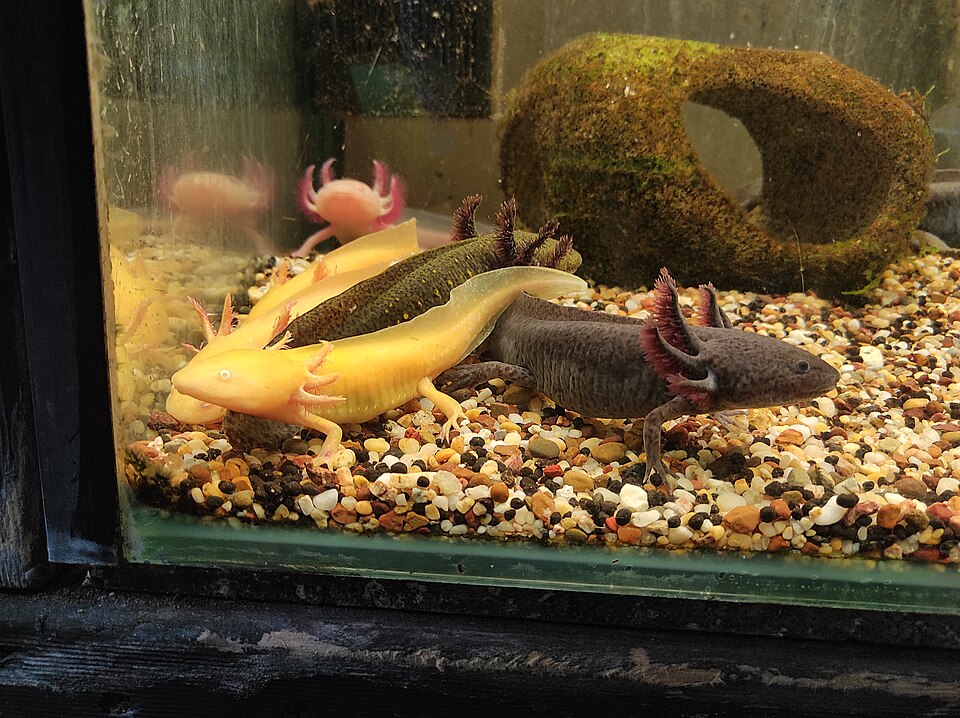
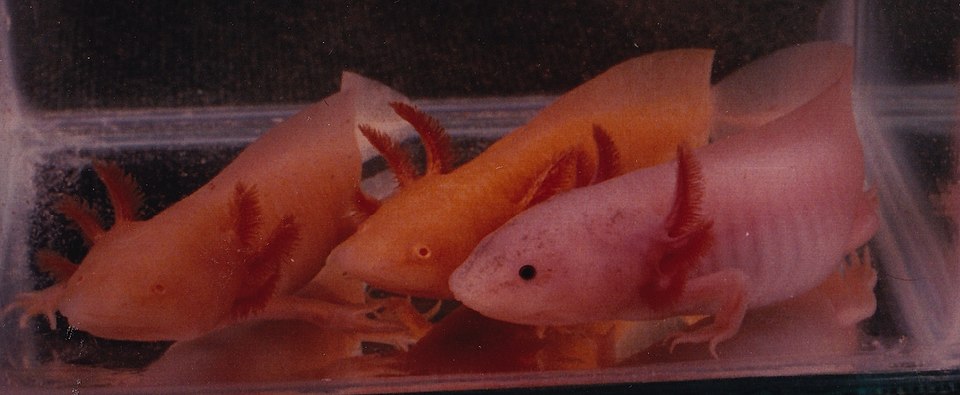
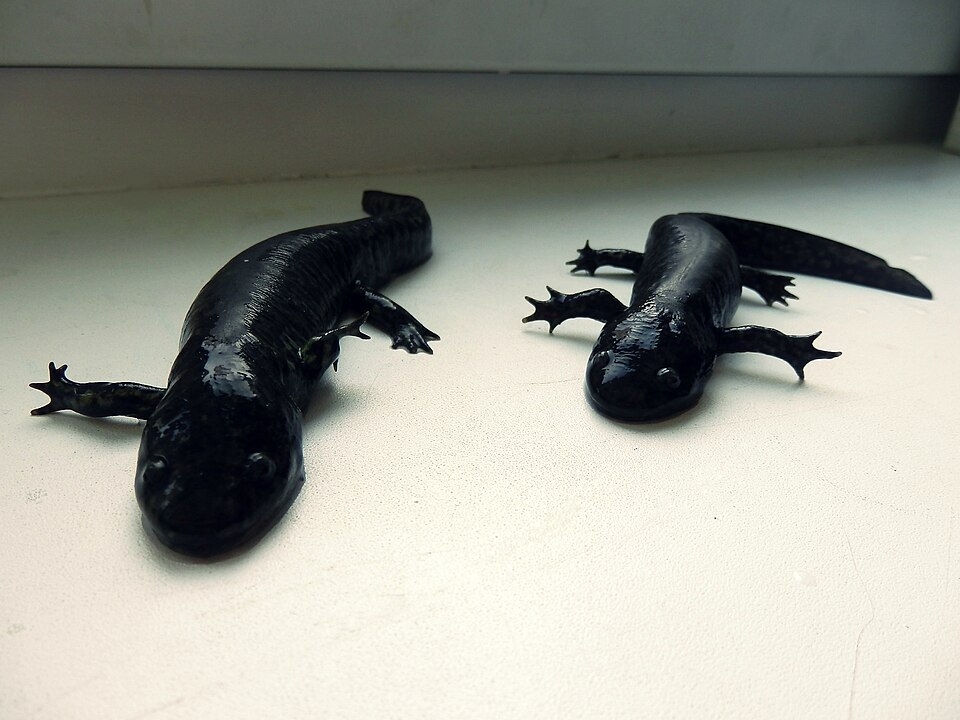
8. Do Axolotls Come In Other Colors? Captive axolotls come in many colors due to genetic mutations and selective breeding. Common color morphs include:
Wild Type – brown/tan/black with speckles; natural camouflage
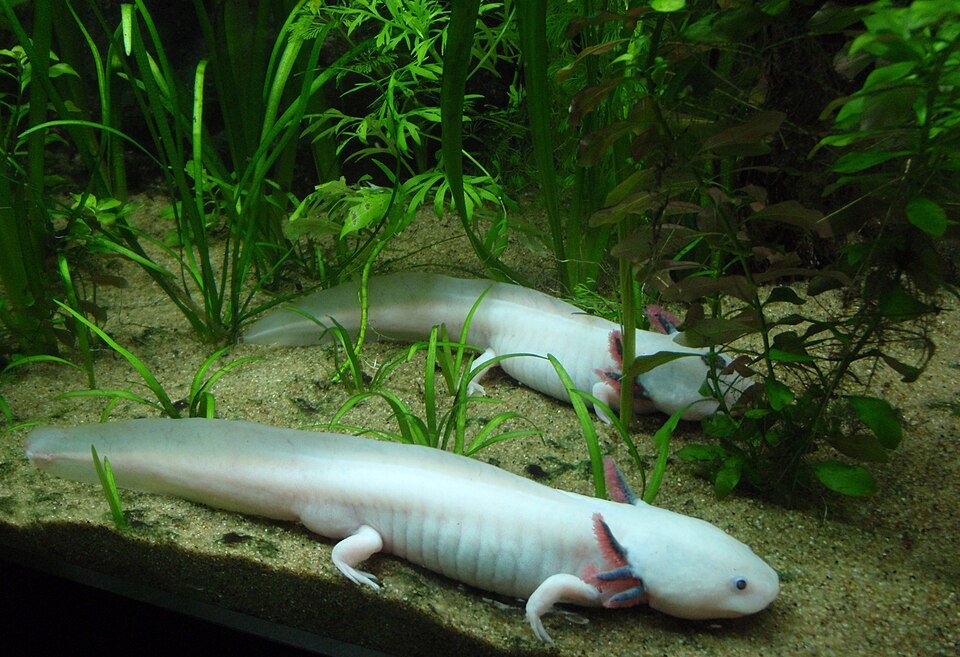
Leucistic – pale pink or white with dark eyes; almost translucent
Albino (Golden Albino) – white to golden body with pink gills and red eyes
Piebald – mostly white with black or dark patches; red gills
Mosaic – mottled black, white, and gold; sometimes striped gills and different colored eyes
Copper – brown to copper body with light and dark spots
Lavender – silvery purple with darker grey or silver spots
Melanoid – very dark with no shiny speckles
Axanthic – gray or silver with little to no yellow
Most colorful morphs exist only in captivity.
9. Do Axolotls Have Superpowers? Axolotls can regenerate, a fancy word for regrow, new arms, legs, and tails. Can regenerate or grow parts of their heart, spinal cord, and even their brain. Heal without scars. Help scientists understand healing and regeneration. May help humans recover from injuries one day. Important to medical science.
10. How Can We Protect Or Save The Axolotls? Reduce pollution in lakes and rivers. Protect and restore wetlands and habitats like Lake Xochimilco. Support conservation programs that breed and release axolotls. Learn and educate others about why axolotls are important. Avoid introducing invasive species into natural habitats.
Sharing Axolotl STEAM with kids - facts, conversation starters and easy STEAM activities. Free Download
Why A Mascot?
Each year, STEAMfest features an official mascot that helps kids Imagine, Discover, and Explore — and gives families a fun way to keep STEAM learning going at home.
A playful way to learn Our mascots aren’t just cute — they’re mini learning companions. Each adoption is designed to spark curiosity with kid-friendly facts and prompts to explore at home.
A fun fundraiser that supports STEAMfest Mascot adoptions also help fund STEAMfest and help us keep hands-on STEAM experiences accessible for our community.
Past Mascots
STEAMfest 2025: The Frog
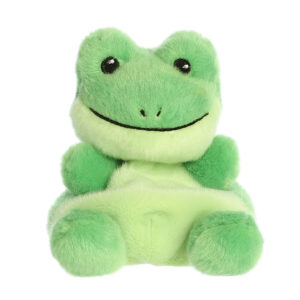
In 2025, families could adopt a frog and take home fun frog facts along with a Certificate of Adoption.
2025 : The Frog
STEAMfest 2024: The Puggle
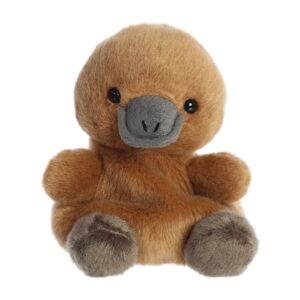
In 2024, our mascot was the puggle (a baby platypus!). Families adopted their own plush puggle while learning fun facts about the Australian platypus.